What Modern Auto Repair Shops Wish Every Driver Knew About Diagnostics
Vehicle diagnostics have become an important part of modern auto repair as vehicles rely on increasingly complex mechanical, electrical, and computerized systems. Understanding how diagnostics fit into the repair process can help drivers make more informed decisions when a vehicle develops a problem. Computer diagnostics can provide useful information about a vehicle's condition, but they are one part of a broader evaluation rather than a replacement for professional inspection and repair. This article explains how diagnostics have evolved, why accurate information matters, and how diagnostic findings can relate to other automotive services.
The Basics of Vehicle Diagnostics
Use Computer-Based Systems
Vehicle diagnostics have evolved from inspections that relied primarily on physical evaluation to processes that can also use computerized information. Modern vehicles contain numerous systems and components that may require more than a visual inspection when a concern develops. Computer diagnostics can help identify areas that may need further attention and provide information that can be considered alongside the vehicle's symptoms and condition. It makes computerized diagnostic equipment a useful part of the repair process, particularly when the source of a vehicle concern is not immediately apparent.
Recognize Diagnostic Tools
Diagnostic tools have also become more sophisticated as vehicle systems have grown more complex. Earlier automotive troubleshooting focused heavily on mechanical components that could be inspected directly. Modern diagnostic equipment can provide additional information about computerized vehicle systems, helping repair professionals narrow down potential areas of concern. Diagnostics do not necessarily identify every aspect of a repair need on their own, but they can give technicians useful information to consider when evaluating a vehicle.
The Value of Accurate Diagnostics
Identify Problems Before Repair
Accurate diagnostics can help narrow down the possible source of a vehicle concern before repair work begins. Identifying an area that requires further attention can make it easier to determine which components or systems should be evaluated. This can be particularly useful when a vehicle exhibits symptoms that could have several possible causes. Rather than treating every concern as the same type of repair, diagnostic information can help guide the evaluation and determine what service may be appropriate.
Address Concerns Promptly
Paying attention to changes in a vehicle's performance can help drivers recognize when an evaluation may be appropriate. Unusual operation, warning indicators, or other changes may warrant professional attention rather than being ignored. Diagnostics can provide information about potential concerns, while additional inspection can help determine whether mechanical or electrical repairs are necessary. According to the National Highway Traffic Safety Administration, tire-related issues contribute to more than 11,000 crashes annually in the United States. Depending on the findings, service may include engine repairs, brake work, suspension services, steering repairs, electrical repairs, transmission work, or other automotive repairs.
The Myths of Vehicle Diagnostics
Know When Diagnostics Are Useful
Drivers may assume diagnostics are only relevant when a major problem occurs, but diagnostic evaluation can also be useful when the source of a vehicle concern is unclear. At the same time, not every maintenance or repair concern necessarily requires the same diagnostic process. The appropriate approach depends on the vehicle, its symptoms, and the systems involved. Understanding diagnostics as one tool within automotive repair can help drivers avoid viewing the process as either an unnecessary step or a complete solution to every vehicle problem.
Understand the Check Engine Light
A check engine light can indicate that a vehicle has detected a condition that requires attention. Drivers should not assume that the light identifies the exact repair needed, because further evaluation may be necessary to determine the cause of the concern. Computer diagnostics can provide useful information when investigating vehicle problems, while professional evaluation can help determine what additional service may be appropriate. Prompt attention to warning indicators can give drivers an opportunity to address concerns before they become more complicated.
The Role of Diagnostic Information
Recognize Diagnostic Trouble Codes
Diagnostic Trouble Codes are alphanumeric codes generated by a vehicle's onboard diagnostic system when certain conditions are detected. These codes can provide information about areas of the vehicle that may require attention. A code does not necessarily describe the complete repair needed, so it is important to consider diagnostic information alongside the vehicle's symptoms and overall condition. Understanding this distinction can help drivers avoid assuming that a code automatically identifies a single component that needs to be replaced.
Connect Findings to Repairs
Diagnostic information can help point toward an area of concern, but additional evaluation may be needed before a repair is determined. Depending on the issue, the appropriate service could involve the engine, transmission, brakes, suspension, steering, electrical system, or another mechanical component. This is why diagnostics should be viewed as part of the process of understanding a vehicle concern rather than as a complete repair by themselves. The goal is to use available information to better understand what the vehicle may need.
The Relationship of Diagnostics and Auto Repair
Address Engine and Transmission Concerns
Some vehicle concerns may ultimately require engine or transmission work. Diagnostics can help provide information when a mechanical problem needs further evaluation, while the appropriate repair depends on the vehicle's condition and the issue identified. Engine repairs and transmission work address different areas of the vehicle, but both can be part of a broader automotive repair process. Understanding how diagnostic information connects with these services can help drivers follow the progression from identifying a concern to determining the appropriate repair.
Evaluate Brakes, Suspension, and Steering
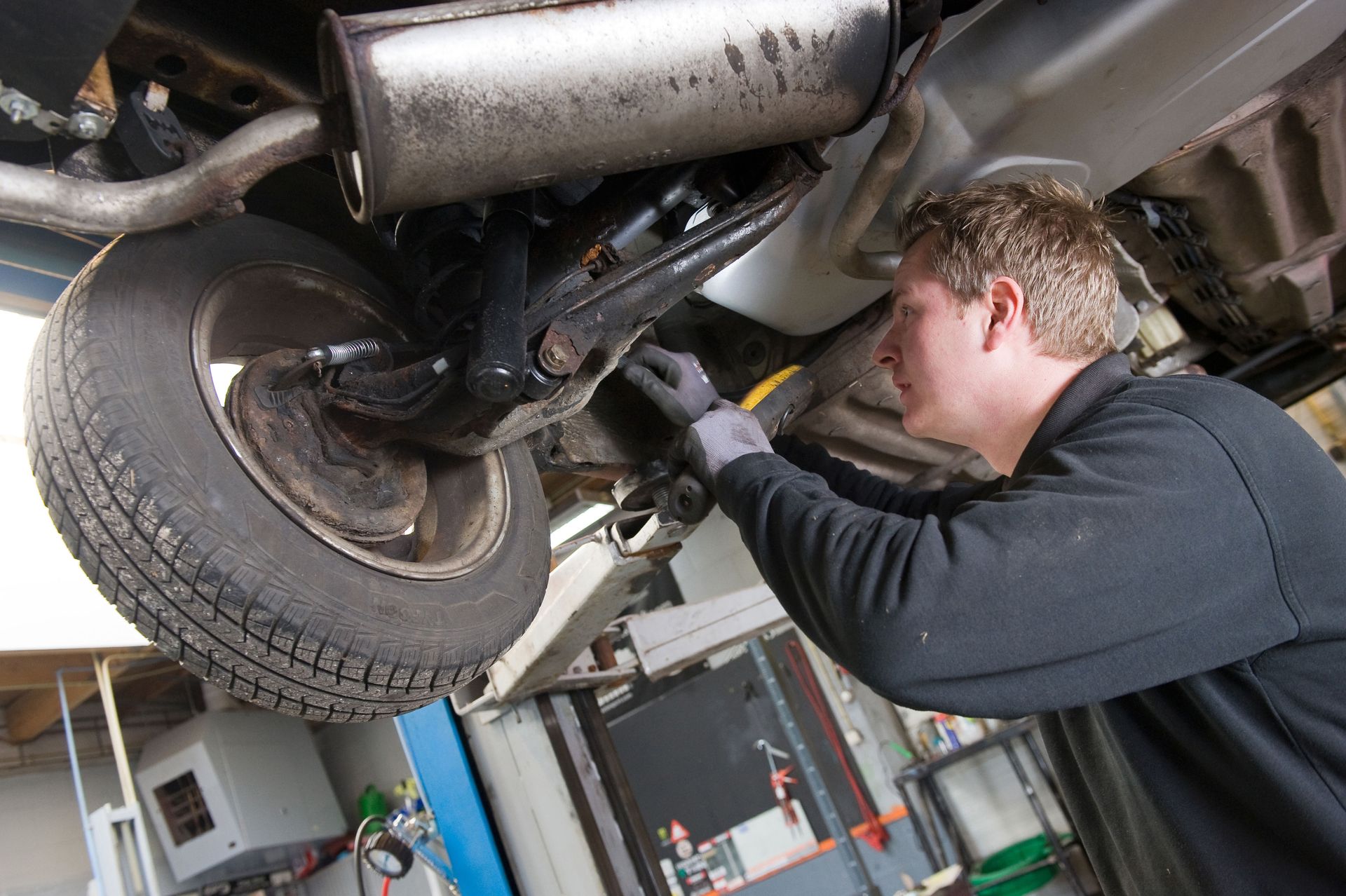
Vehicle operation can also be affected by concerns involving brakes, suspension, or steering components. These systems require their own forms of evaluation and repair, depending on the symptoms and condition of the vehicle. Brake repair, suspension services, steering repairs, and wheel alignment are among the automotive services that may be needed when a vehicle requires attention in these areas. Diagnostics can contribute information to the overall evaluation when computerized or other vehicle-related concerns are involved.
The Considerations of Vehicle Repair
Communicate Vehicle Concerns
Clear communication can make it easier to evaluate a vehicle concern. Drivers can describe changes they have noticed, including unusual operation, warning indicators, or other symptoms that may help explain why the vehicle needs attention. Diagnostic information can then be considered alongside those observations as part of the repair process. A clear understanding of the vehicle's symptoms and the services available can help drivers follow how a concern moves from initial evaluation toward an appropriate repair.
Consider the Full Range of Services
A diagnostic concern does not always lead to the same type of repair. Depending on the vehicle and the issue involved, service may include computer diagnostics, vehicle diagnostics, engine repairs, transmission work, brake repair, suspension services, steering repairs, wheel alignment, electrical repairs, or other mechanical services. Considering the full range of potential automotive services can help drivers understand why a diagnostic evaluation may be followed by a different type of repair.
Understanding vehicle diagnostics can make the automotive repair process easier to navigate. Diagnostic services can provide useful information about potential concerns, while professional evaluation helps determine the appropriate course of repair. Depending on the issue, drivers may need mechanical, electrical, engine, transmission, brake, suspension, steering, collision, paint, glass, interior, or cosmetic services. To learn more about available diagnostic, repair, and auto body services, visit GGM Autoworks, Inc. and explore the solutions available for different vehicle needs.



Share On: