How an Auto Body Shop Addresses Scratches, Dents, and Paint Damage
This article explores the comprehensive technical process that a professional auto body shop utilizes to systematically repair and fully restore consumer vehicles that have suffered minor scratches, complex structural dents, and environmental paint damage. By understanding the meticulous steps taken by certified technicians, vehicle owners can better appreciate the specialized value, advanced safety protocols, and structural engineering expertise involved in professional collision repair services.
Restoring a vehicle to its pristine factory condition not only enhances its aesthetic appeal but also actively preserves its long-term resale value. Furthermore, a well-maintained vehicle provides a safer and more satisfactory driving experience for the owner, ensuring all integrated crumple zones, external panels, and protective factory coatings remain entirely intact.
Initial Assessment and Damage Evaluation
The first step in addressing vehicle damage is conducting a highly detailed, methodical visual inspection under controlled, high-intensity garage lighting. Certified technicians are thoroughly trained to identify subtle problem areas, such as hairline subsurface fractures, panel misalignments, and hidden structural shifts that may not be immediately visible to an untrained vehicle owner. This close physical inspection helps accurately determine the scope of labor and mechanical tooling required for the project. By evaluating every microscopic detail, an auto body shop can make better-informed choices regarding whether specific outer panels should be repaired or completely replaced. Did you know? According to Kelley Blue Book, within the first year after purchase, a new vehicle's value typically drops 20%.
Advancements in collision technology have equipped a modern auto body shop with sophisticated diagnostic tools, including computerized 3D frame measuring systems and ultrasonic scanners. These instruments allow technicians to assess hidden structural damage accurately and develop precise, blueprint-guided repair strategies. By utilizing such high-tech tools, shops can quickly detect deep issues related to structural frame integrity that could never be seen during a standard walk-around visual inspection.
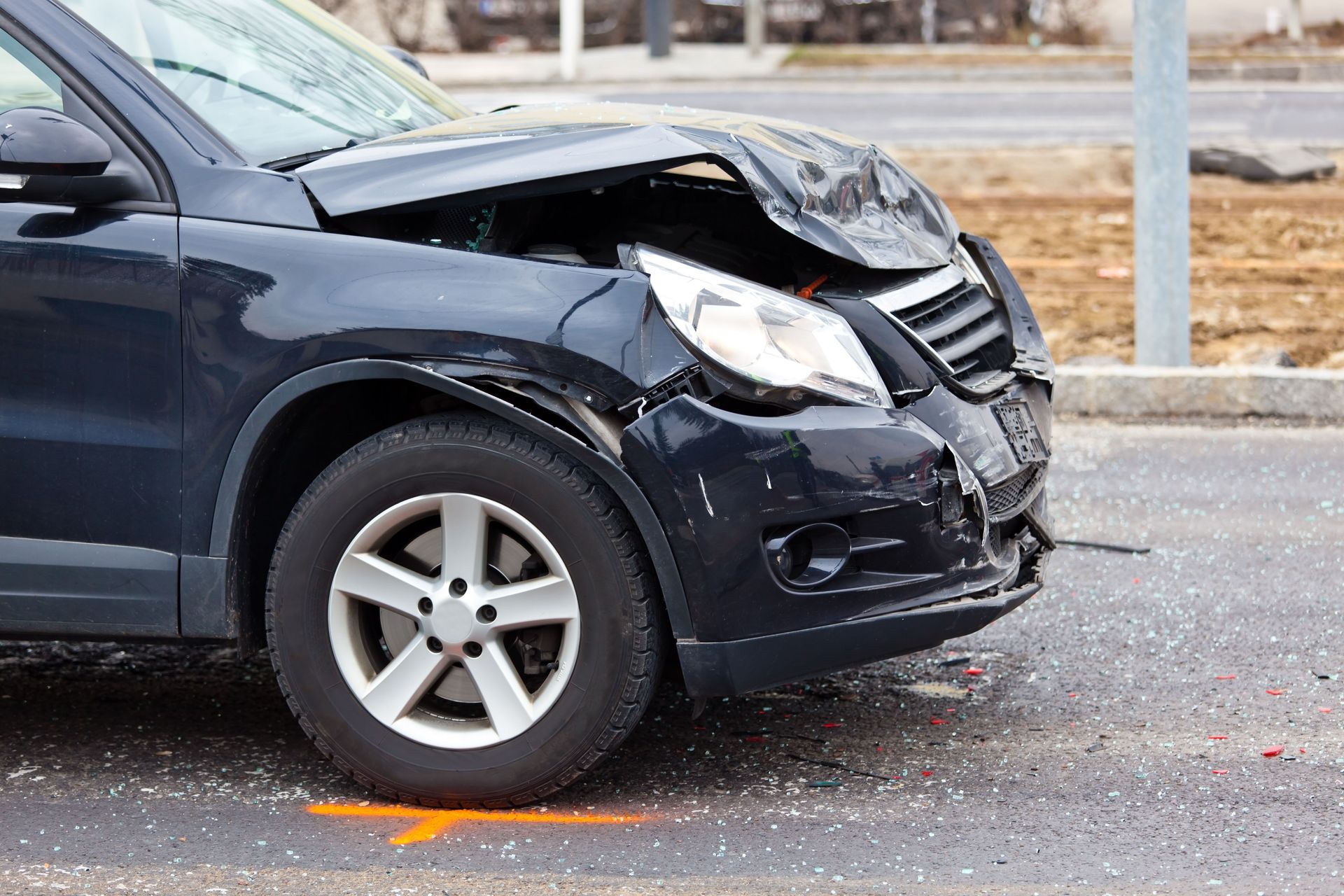
Determining the full mechanical extent of the impact is crucial in creating an accurate, line-item repair plan. Technicians take precise electronic measurements and utilize specialized structural laser guides to evaluate how far an impact zone has compressed. Accurate measurement data is essential for transparent communication with vehicle owners and insurance adjusters.
Once the multi-point damage assessment is complete, estimating specialists prepare comprehensive cost and time estimates. These itemized printouts provide vehicle owners with a transparent understanding of potential structural expenses, factory parts costs, and precise timeframes for complete repair execution. Before moving forward with any mechanical adjustments or surface sanding, clear customer consultation and official insurance approvals are obtained, ensuring all parties are aligned regarding the repair methodology.
Professional Techniques for Repairing Scratches
Automotive scratches vary immensely in their physical depth, making it vital to accurately identify their severity to select the most effective restoration technique. Clear coat scratches only mar the sacrificial outer layer, whereas deep scratches penetrate through the colored base coat down to the primer or raw sheet metal. Technicians evaluate the scratch depth using tactile tests to determine the necessary abrasive steps for flawless surface leveling.
For surface-level scratches, technicians use specialized wet sanding techniques to carefully level the surrounding clear coat. This process requires incredible precision and ultra-fine grit abrasives to avoid burning through the paint layers. Deeper scratches require the application of catalyzed body fillers or specialized glaze compounds to completely pack the deep groove where the protective factory coating has been compromised. Once cured, these filled regions are blocked and sanded perfectly flat to establish a seamless surface that is ready to accept primer.
After the physical depth of the scratch has been filled and smoothed, rotary polishing is performed to eliminate fine sanding scratches and restore the vehicle's natural optical clarity. Technicians apply graded buffing compounds that gently blend the repaired clear coat with the adjacent factory finish. Final quality checks are conducted under specialized inspection lamps to confirm that the scratch has been permanently removed and that no new swirling imperfections have been introduced to the clear coat.
Address Dents and Structural Deficiencies
Paintless Dent Repair (PDR) methods offer a highly efficient solution for removing minor exterior vehicle dents without altering or refinishing the factory paint layer. By accessing the backside of the damaged panel with specialized long-reach metal rods and applying precise, coordinated pressure, a technician can manipulate the metal back to its original contour. PDR is the ideal, non-invasive choice for small dings caused by runaway shopping carts or minor hail storms, preserving the factory finish while saving significant labor time.
Not all impacts can be resolved using PDR methods; severe dents that exhibit stretched sheet metal, sharp creases, or torn paint require traditional heavy repair techniques. Technicians at an experienced auto body shop use specialized stud welders, slide hammers, and pneumatic pulling systems to pull the crushed metal outward. Once the coarse metal reshaping is complete, a thin layer of durable polyester body filler is applied, cured, and sanded down to recreate the vehicle’s exact factory body lines.
Once the metal pulling and body filling stages are completed, a rigorous tactile and visual inspection is conducted to ensure absolute surface evenness. Technicians use specialized guide coats and straight-edge boards to verify that the repaired panel matches the adjacent panels perfectly. Eliminating even the smallest surface waves or imperfections at this stage is absolutely critical, as any slight irregularity will be instantly magnified once the glossy clear coat is applied.
Deal with Complex Automotive Paint Damage
Automotive paint damage occurs for numerous reasons, ranging from exposure to harsh UV rays and industrial chemical fallout to road debris impacts and severe collisions. To address this wear effectively, the surface must be meticulously prepped. Technicians mask off adjacent panels, chemical-wash the panel to remove tar or wax residues, and apply a specialized epoxy primer that prevents oxidation while providing an ideal substrate for the new paint.
To achieve a completely invisible repair blend, the auto body shop must utilize computerized spectrophotometers to analyze the vehicle's exact paint color variation. Because factory paint colors fade over time due to sun exposure, technicians cannot rely solely on the vehicle's original factory paint code. Advanced color-matching software assists the painter in mixing a custom tint formula that accounts for color shifting, guaranteeing the new paint is indistinguishable from the rest of the car.
The application of the new paint occurs within a sealed, downdraft spray booth to prevent dust contamination. The painter applies multiple coats of pigmented base coat, followed by a durable polyurethane clear coat using precision spray equipment. After the final coat is laid down, the spray booth shifts into a bake cycle, utilizing intense heat lamps to cure the paint matrix. This curing process solidifies the finish, providing long-term rock chip protection and a rich, deep gloss.
Quality Assurance Protocols and Finishing
After the baking process is completed, the vehicle undergoes a rigorous quality assurance review. Technicians perform an intensive nib-sanding process to remove any microscopic dust particles that settled into the wet paint, followed by a multi-stage compounding and buffing process. This detailing stage ensures the restored panel reflects light identically to the factory panels, resulting in a mirror-like finish across the entire vehicle.
During the final inspection, technicians look closely at the texture of the clear coat, ensuring the new "orange peel" pattern matches the original factory texture seamlessly. Any discrepancies in color matching or paint texture are meticulously wet-sanded and corrected before the vehicle is released. Finalizing the service involves reviewing the comprehensive warranty and repair guarantees that back the shop's workmanship.
A professional auto body shop provides the vital structural expertise, advanced painting technology, and meticulous craftsmanship necessary to completely erase exterior damage. If your vehicle requires precise scratch removal, expert dent repair, or flawless paint restoration, contact the team at GGM Autoworks, Inc today.
Share On: