What to Do After a Car Accident
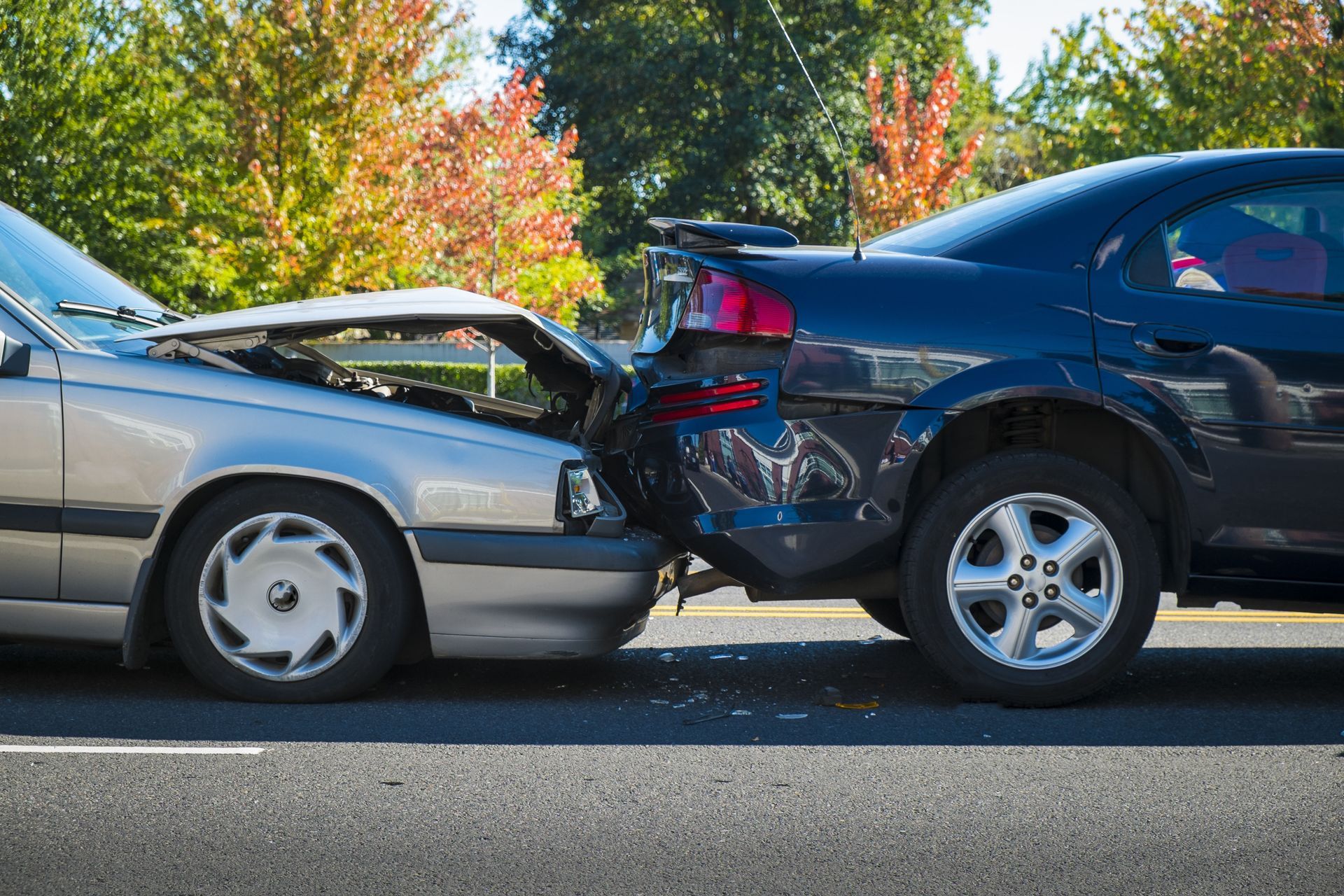
Even a minor fender bender can leave you shaken, confused, and unsure of what to do next. In the moments after a crash, it's easy to forget important steps that protect your safety, your insurance claim, and your vehicle. Knowing what to do ahead of time can help you stay calm and make better decisions when it matters most. From checking for injuries and documenting the scene to choosing the right shop for repairs, each step plays a role in getting your life and your car back on track. Here's a practical guide to follow after a car accident.
Checking for Injuries and Staying Safe
Your first priority after any accident should be safety. Check yourself and your passengers for injuries, and call 911 right away if anyone is hurt. If the vehicles can be moved and it's safe to do so, pull to the shoulder or a nearby parking lot to avoid blocking traffic and reduce the risk of another collision. Turn on your hazard lights, and use flares or reflective triangles if you have them, especially at night or in bad weather. If your car can't be moved or the scene feels unsafe, stay inside with your seatbelt fastened until help arrives. Avoid standing in traffic lanes, and keep an eye out for leaking fluids, smoke, or other hazards around the vehicles.
Calling the Police
Even if the accident seems minor, it's often wise to contact local police. An officer can help manage the scene, document what happened, and create an official accident report. That report can be extremely helpful when filing an insurance claim, especially if there's a disagreement about who caused the crash. In Massachusetts, drivers are also generally required to file a crash report with the state when an accident causes injury or significant property damage, so it's important to understand your responsibilities. When speaking with officers, stick to the facts and avoid guessing or admitting fault. Ask how you can get a copy of the report once it's available.
Exchanging Information With Other Drivers
Before leaving the scene, exchange information with everyone involved. Get each driver's name, phone number, address, driver's license number, license plate number, and insurance company and policy number. It's also helpful to note the make, model, and color of each vehicle. If there are witnesses, ask for their names and contact information, since their accounts may be useful later. Stay polite and calm, even if emotions are running high. Avoid discussing who was at fault or making statements that could be interpreted as an admission of responsibility. Simply gather the information you need and let insurance companies and authorities sort out the details.
Documenting the Scene Thoroughly
Photos and notes taken right after an accident can make a big difference in your claim. Use your phone to photograph all vehicles involved from multiple angles, including close-ups of damage, license plates, and the overall scene. Capture skid marks, road conditions, traffic signs, weather, and anything else that may have contributed to the crash. Write down the date, time, and location, along with a brief description of what happened while it's still fresh in your mind. This documentation can help insurers understand the accident and can also give repair technicians a clearer picture of the damage before auto repairs begin.
Seeking Medical Attention Promptly
Some injuries don't show symptoms right away. Whiplash, concussions, back injuries, and internal injuries may not become noticeable for hours or even days after an accident. Even if you feel fine, it's a good idea to get checked by a medical professional as soon as possible. A prompt evaluation protects your health and creates a record linking any injuries to the accident, which can be important for insurance purposes. Keep copies of medical records, receipts, and any notes about missed work or ongoing symptoms. Taking care of your health should always come before worrying about your vehicle.
Notifying Your Insurance Company
Contact your insurance provider as soon as you can to report the accident. Many companies allow you to start a claim online, through an app, or over the phone. Provide the facts, share your photos and the police report number, and ask about your coverage for repairs, rental vehicles, and towing. Your insurer may assign an adjuster to review the damage and explain the next steps. It's important to understand that you have the right to choose where your vehicle is repaired. While insurers may recommend certain shops, you can select a trusted local repair facility that you're comfortable with for your auto repairs.
Choosing the Right Repair Shop
With so many options available, finding the right shop can feel overwhelming. According to Rentech, there are more than 70,000 auto body shops across the United States. Not every shop offers the same level of experience, equipment, or customer service. Look for a shop with skilled technicians, positive reviews, clear communication, and experience working with insurance companies. A strong warranty on workmanship is another sign that a shop stands behind its work. Choosing a shop that handles both collision repair and mechanical auto repairs can also be helpful, since accidents often affect more than just the body of the vehicle.
Getting a Thorough Damage Inspection
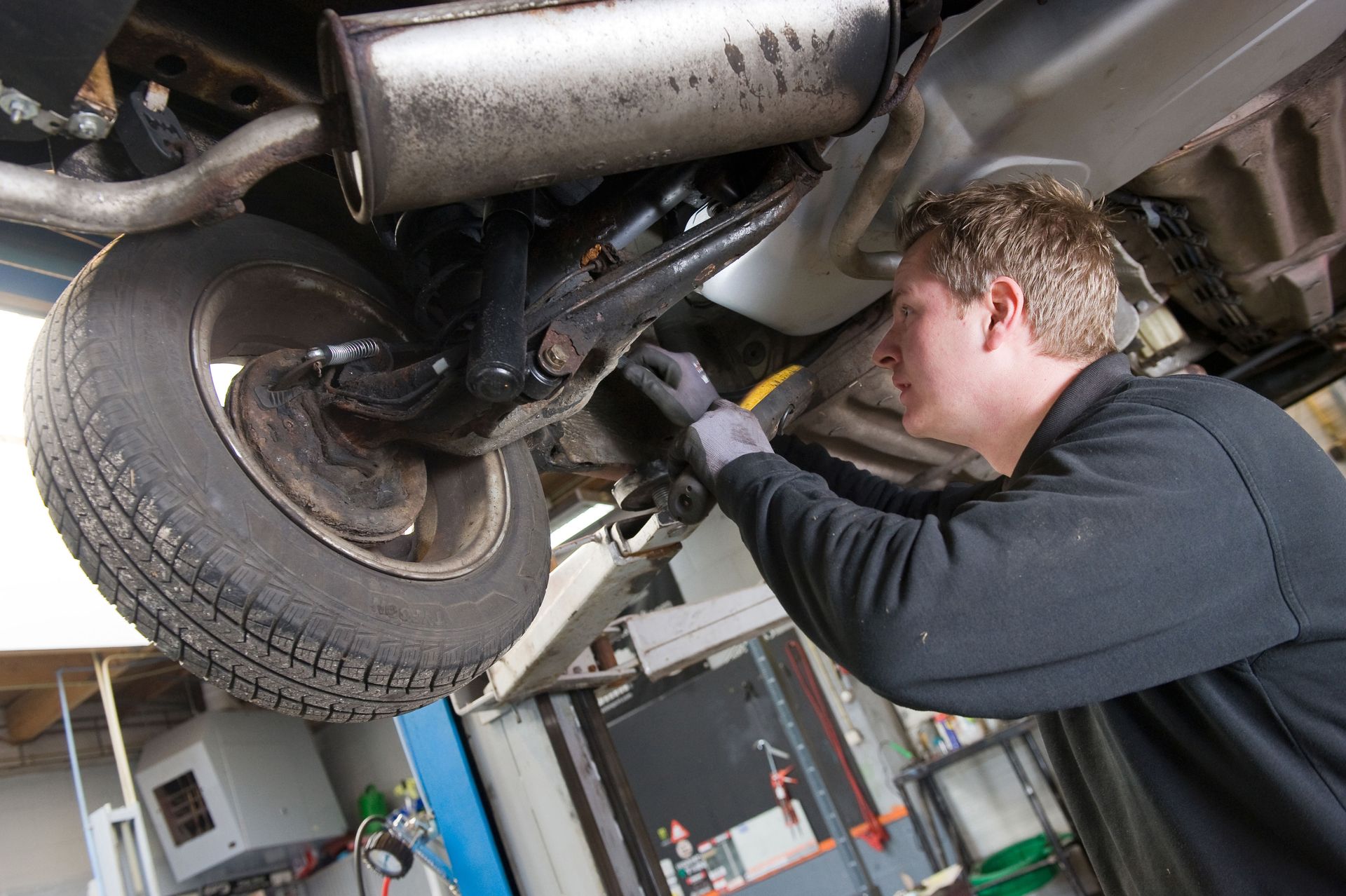
Not all accident damage is visible on the surface. A collision can affect your vehicle's frame, suspension, alignment, steering, brakes, sensors, and electrical systems, even if the outside only shows minor dents or scratches. Hidden damage can lead to safety issues, uneven tire wear, or handling problems down the road. A complete inspection helps identify everything that needs attention so it can be included in the estimate and insurance claim. Thorough auto repairs restore not only your vehicle's appearance but also its safety and performance. If you notice new noises, vibrations, warning lights, or changes in how your car drives after a repair, have it checked right away.
Understanding the Repair Process
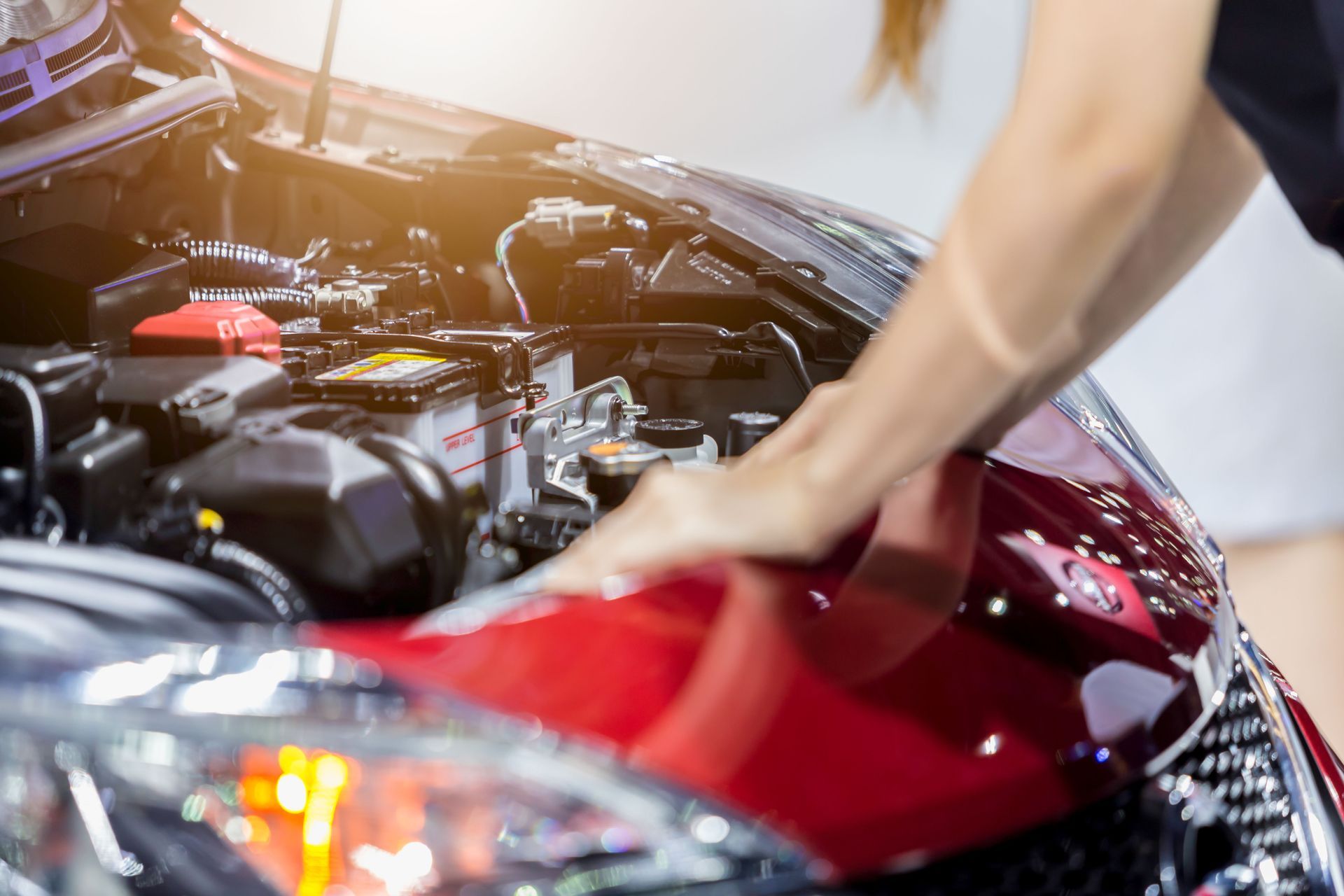
Once the estimate is approved, repairs can begin. Depending on the damage, the process may include frame straightening, panel replacement, dent repair, painting, glass replacement, and mechanical work. A professional shop will match paint colors carefully, restore proper alignment, and test the vehicle to confirm everything works as it should. Staying in close communication with the shop during auto repairs helps you understand the timeline and any updates from your insurance company. If additional damage is found during repairs, the shop may need to submit a supplement to your insurer for approval. Asking questions throughout the process helps you feel confident that your vehicle is being restored correctly.
At GGM Autoworks, Inc, we know how stressful a car accident can be, and we're here to make the repair process as smooth as possible. Our family-owned and woman-owned shop in Dracut has more than 25 years of experience providing collision and frame repair, paint and cosmetic work, glass and interior repairs, and complete mechanical
auto repairs, including diagnostics, brakes, suspension, and alignments. We work with all major insurance companies to help coordinate estimates and approvals, and our workmanship is backed by a non-transferable lifetime warranty. Our team proudly serves drivers throughout Massachusetts and New Hampshire, and we speak English, Spanish, and Italian. Contact GGM Autoworks, Inc today to request your free same-day estimate. We look forward to working with you soon!
Share On: